Top 6 Hot Springs soaks in Colorado

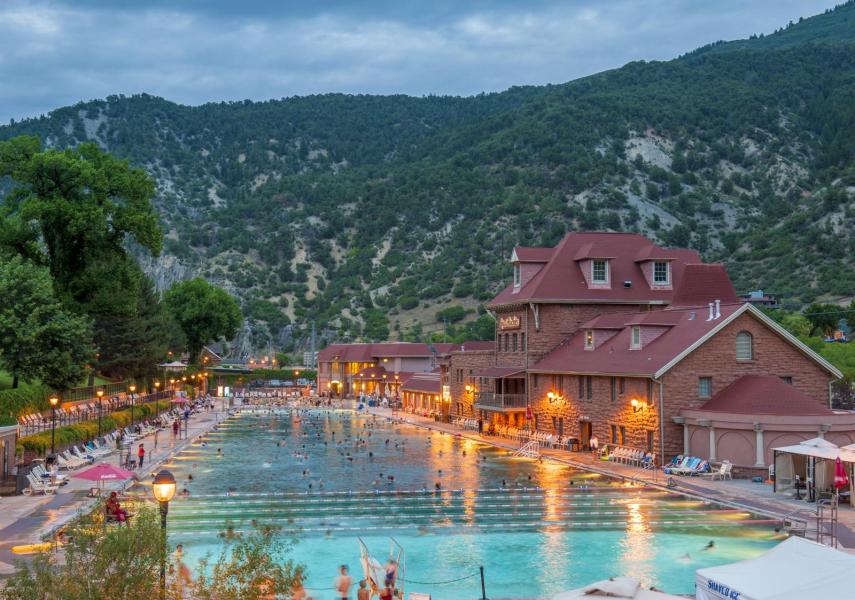
Photo by Glenwood Hot Springs Resort

Glenwood Springs was first. The strong smell of sulfur and the scratch of concrete on our bare feet. I think it may be more bougie now, but it is still hot. I remember thinking that the first pool was so hot it may have literally touched the earth’s core. My young siblings and I dared each other to jump in, or even to dip a toe, before we headed to the milder, larger warm pool that seemed to go on forever. Apparently its the largest hot springs pool in the world!

“I can still touch here,” we would exclaim to one another and to our parents, as we bobbed along all the way to the deep end, its diving boards, and an inevitable sunburn in the high-altitude swim.

My young husband and I ended up back in Glenwood again for our honeymoon. It was unexpected, a sort of punt after the cruise line we’d booked went bankrupt. We kept returning wedding gifts at the Glenwood Walmart to extend our stay at the honeymoon suite at the Silver Spruce Inn and then cheaper Starlight Lodge. A set of six glass tumblers and some mixing bowls afforded us a few more days of hiking, soaking, and fine dining at the Village Inn. I think couples plan more today and have more money. But are they the happier for it? Debatable.

We were married in late December, and if you’ve never been in a Colorado hot springs in winter, know this: it’s magic. Pillows of steam rise from the water, wrapping swimmers in mystery and privacy as they glide through the warm, mineral-rich pool. Pure joy.

Three years later, we landed in Norwood, Colorado, not far from Ouray, another hot springs haven. We’d often drive the hour to soak in the mineral baths while our preschool daughter swam circles around us. We’d lean back, relax, and scan the red cliffs for mountain goats.
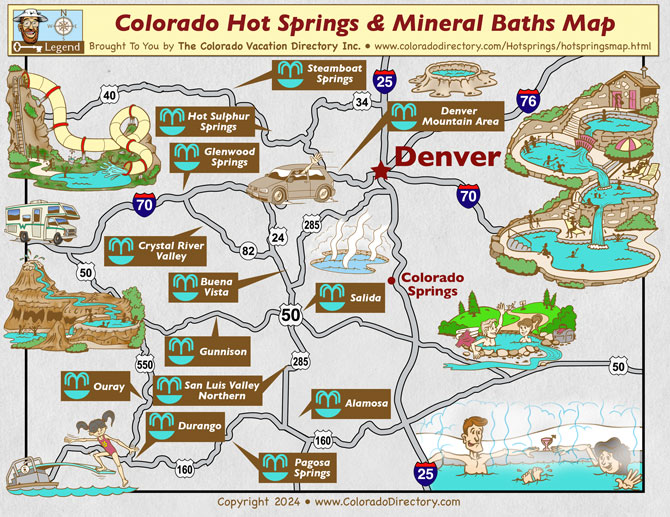

Colorado Hot Springs Map

Another daughter later and we headed again to Glenwood, and then more regularly down from Grandma and Grandpa’s place in the center of the state to Mt. Princeton Hot Springs near Buena Vista. They had a frequent swimmer punch card!

At that time, Mt. Princeton wasn’t much—just a cave-like reception area, a basic rectangular pool, and a path down to Chalk Creek, where the real magic happened. Hot water bubbles up beneath the sandy creek bed, and visitors build rock pools right in the stream, mixing hot and cold flows to find the perfect soak. The kids loved experimenting, damming one side, letting cold water in the other. It’s a little more fancy now, and definitely much more expensive, but the creek is still the best part.

In more recent years, we’ve added new springs to our travelogue. Pagosa Springs, near Durango, charmed us with its location right in town but somehow still holding onto a nature vibe. Strawberry Hot Springs, near Steamboat, delivered an entirely different experience—hippie vibes, clothing optional after dark, and a sketchy unisex changing room with raggedy curtains. After a day of skiing we braved the snowy stairs on prickly bare feet to sink into the steamy and crowded, but warm and lovely pools.
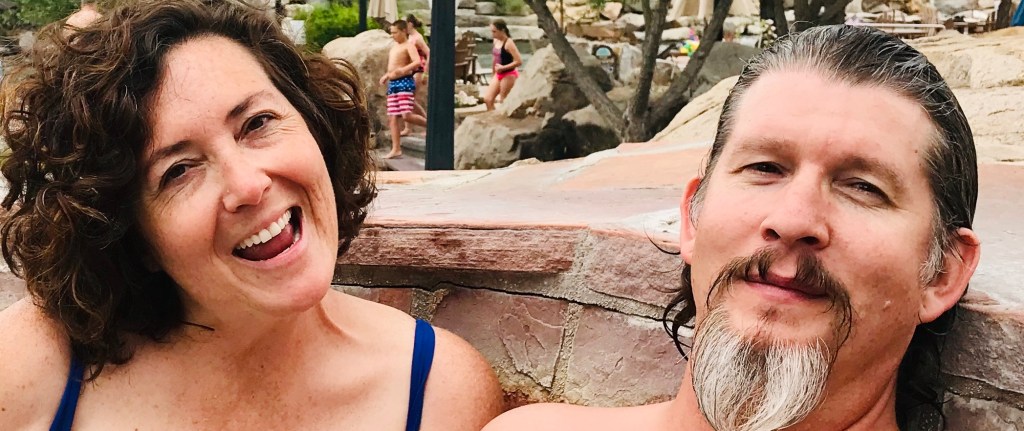
Me and the Hubs at Pagosa Springs, Colorado, in 2019.

Our favorite hot spring discovery lately is the redeveloped Iron Mountain Hot Springs, the second major spring in Glenwood. It features over a dozen small pools made of red rock, sand, and pebbles, blending into the high desert aesthetic and offering unique temperatures marked with metal signage. Regular adjustments with cool Colorado River water offset the natural 112°F heat.

The best part? Choice. Want to stay in a toasty 105°F? Done. Prefer a milder 99°F? Just down the walkway. My personal favorite is 103°F. Every body is different.

Some pools are close enough to hear the river; others let you sit and watch it flow by. Bathers soak surrounded by foothills, eagles—and the glow of lights from the big box stores across the water.

We still have plenty of hot springs left to try. So when we find our next favorite soak—I’ll be sure to let you know.

###

Art for joy’s sake

Some art is created to dissolve.

Ice sculptures. Sandcastles. Chalk paintings on pavement. Ron and I walked around the Denver Chalk Art Festival this year and glimpsed some wildly colorful works chalked onto the streets. The bold palettes seemed to take their cues from tattoos, or street murals. And, despite the fact that the artists were painting down on the ground, many managed to add enlivening dimensions to their asphalt canvases.

The frog’s classic dilemma.

Chalk artistry is one of the most optimistic and free expressions of art. Hours are spent drawing, shading, and adding detail, all for the sake of a creation that disappears within days, maybe hours if it rains. Transient art reminds us that everything will pass. Maybe that’s also why I blog.

Bright butterflies take flight from three-dimensional bricks chalked on the street.

Some art wants you to feel something.

Set in the same Denver block as the chalk art festival is the Clyfford Still Museum. I stepped inside this ultra-modern edifice on one of its free days a few weeks ago. It was built specifically to house nearly all the paintings by American artist Clyfford Still (1904-1980).

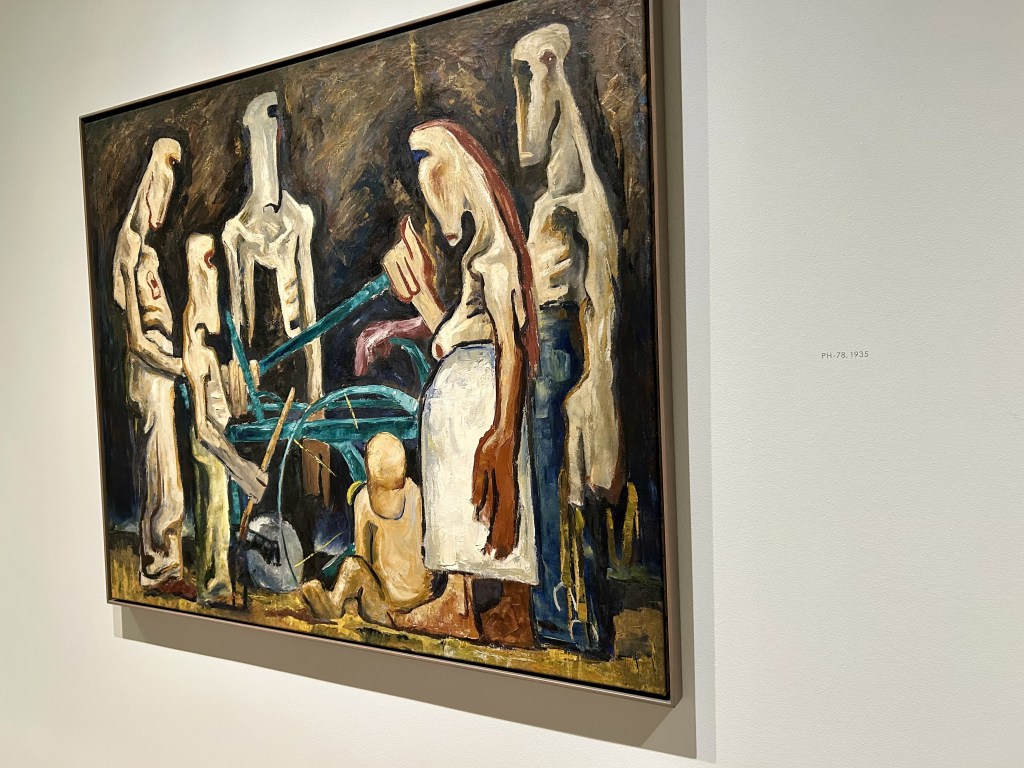
These are Clyfford Still’s horse-face people.

Arranged to show Still’s journey as an artist, the exhibit began with works from The Great Depression era. Still painted horse-faced people whose skin drapes thick over their protruding bones, hands dangling like oars at their sides. Following World War II, Still became an abstract expressionist of the 1950s. He was counted along with Jackson Pollock and Mark Rothko, and a dozen others in this movement.

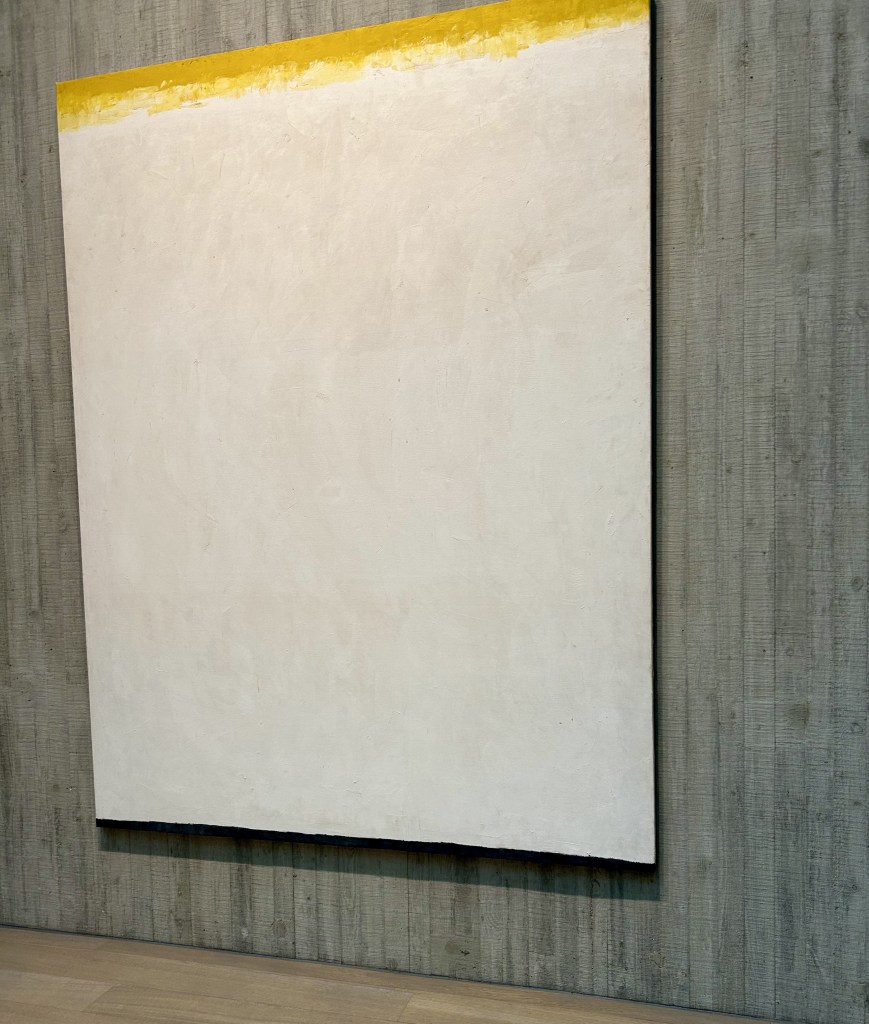
What is the feeling elicited from a massive white square bounded at the top with a blurred gold? Heaven? Ennui? Or perhaps the happy emotion of something being clean and uncluttered.

Still used enormous canvases. He was right doing that, I think. Feelings can be big. He painted giant swaths of one or two colors. He used jagged shapes, blocks, and lines. I like the horse-face people better. Abstract art has never compelled me. That doesn’t say as much about abstract art as it says about me.

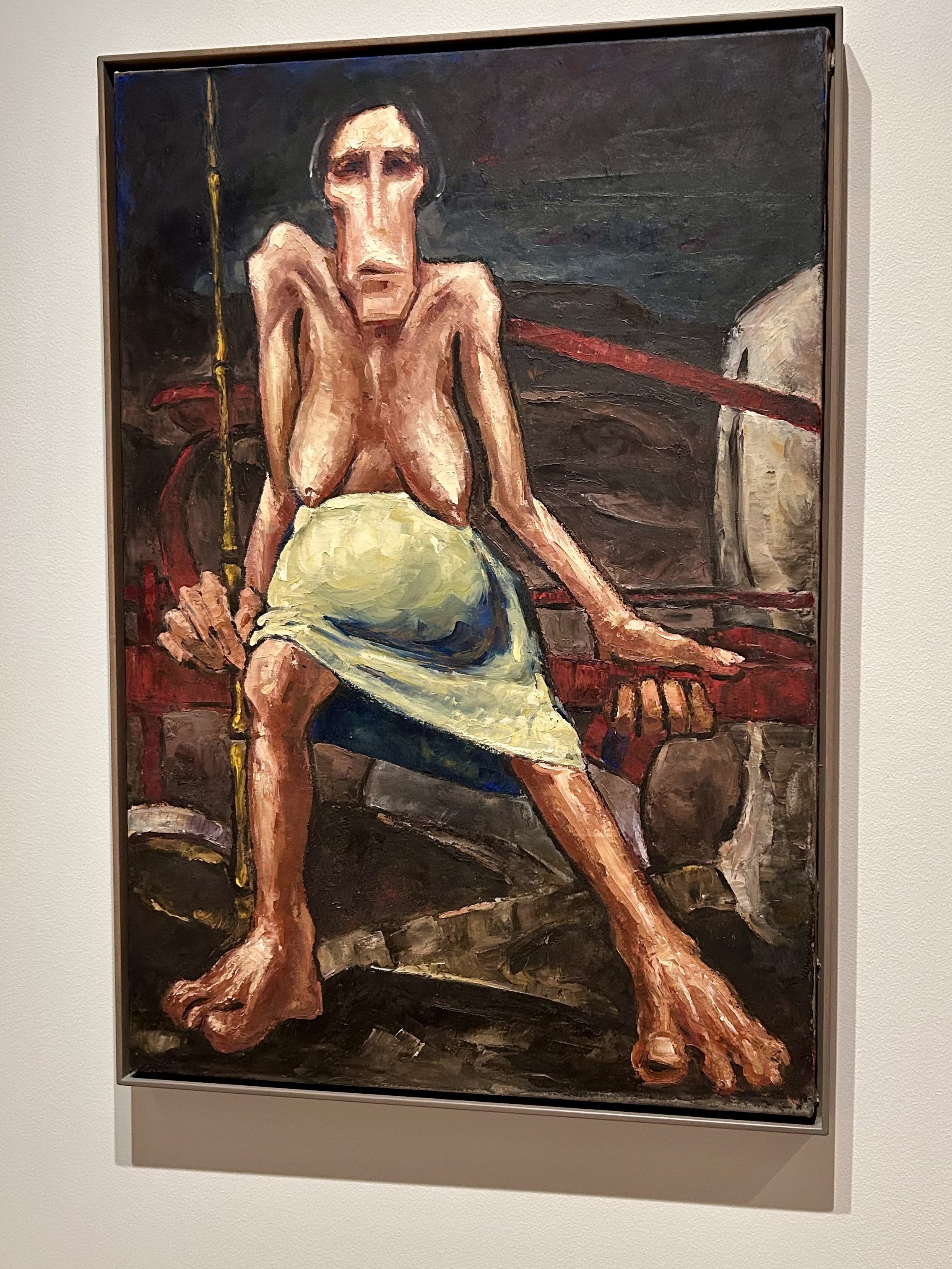
I related to the woman Still painted who seemed to me to embody the stage of life in which I now find myself; mid-50s, empty nest. Still’s work, PH 416 was like staring into a mirror. The woman sits shirtless for no apparent reason, large breasts hanging down slack and uneven, nipples shelved on a rounded lower belly bulging beneath a green skirt. She’s holding what appears to be a bamboo pole in one massive paw. Her face is long, like the others, and blank; emotionless. Here large toes, feet, and hands no match for her gaunt body, painted sinewy with deep contrasts. 

I am her, I think, as I gaze at the painting.

Then, I imagine Still tiring of this woman, and all the long faces. I consider the steps he took from these works to abstract painting. I try to make sense of his interest in art that would provoke emotion in viewers, rather than reveal it in those he painted.

Some art is found.

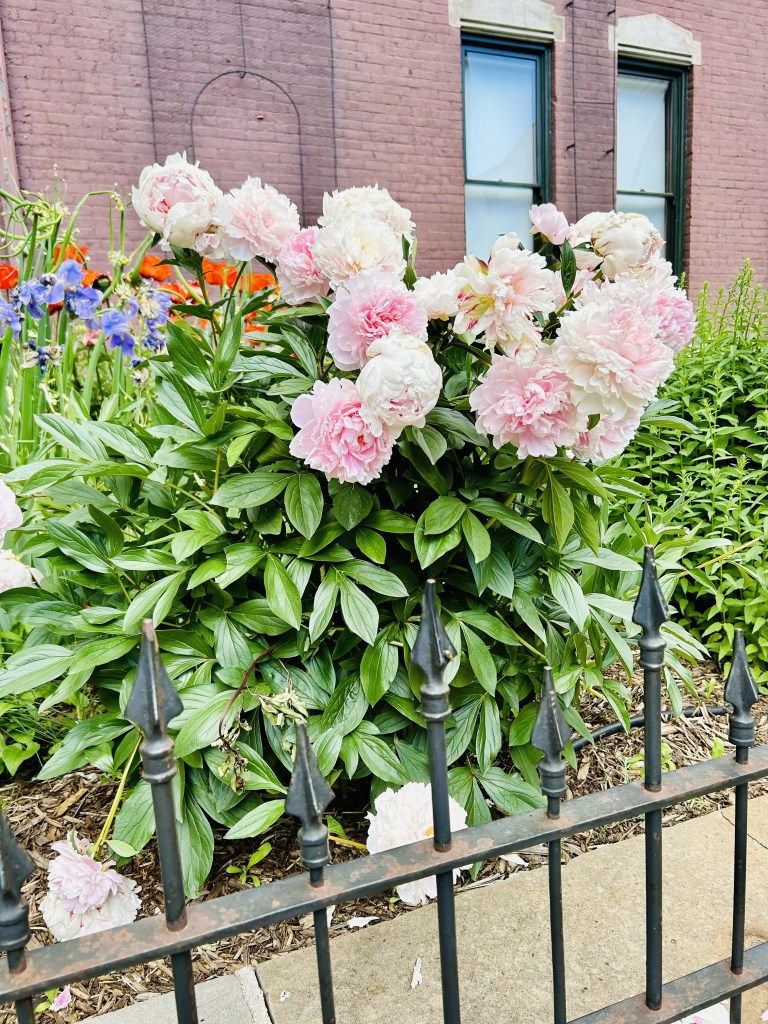
I wandered back to the bus stop, still thinking about the Still Museum paintings and stopped to notice the bright red poppies, and pale pink peonies guarded by a wrought iron fence at the Center for Colorado Women’s History. Maybe flowers are art. Maybe drawing or painting them is art. Do they convey emotion? Do they elicit it?

I’ve been reading The Supper of the Lamb: A Culinary Reflection by Robert Farrar Capon, and it’s a treasure trove of practical theology. Art and theology are as close as siblings I think, since God is a creator, and we are made in his image. Capon broadens the idea of art for art’s sake to encompass more than art. So, I think food, flowers, paintings, chalk or otherwise, abstract or representational, everything that has been made would be included in what Capon says exists simply for joy.

“The world exists, not for what it means but for what it is.” – Robert Farrar Capon

###

Last bike ride: a study in contrast

The bike path near our condo used to be the best feature of the area where we live near Old Town Littleton, Colorado. Maybe it still is, I can’t decide. 

The trail winds its way along Big Dry Creek for miles, then follows the South Platte River. A cyclist can ride all the way into Denver if you don’t mind the smell of pot, and occasional drug addicts ambling along. 

Go the other way and you’ll end up atop the Chatfield Reservoir Dam, winded and perhaps wishing you had driven, but awestruck by the purple mountain majesty and the sparkle of sun on the wide water. 

Sometimes I also take the bike trail from here all the way to the Highline Canal trail, which winds through the back of neighborhoods filled with mansions, manicured lawns, stables, and pools.

Either way, I see things.

Maybe that’s because I cycle like I walk — slowly. I guess you could say I’m going nowhere, fast, and that’s true in more ways than one, since I’m no longer working, and we don’t have any big travel plans this summer. But the slow pedaling keeps me humble. When I’m bicycling on the path I hear “on your left,” so frequently, even from skinny octogenarians who pass me at incredible rates of speed for their old bones, that I sometimes wonder if I’ve accidentally stopped altogether. 

Of course, when biking in Colorado, it’s important to remember that a lot of cyclists on the bike paths here are like a lot of hikers on the trails here—super serious. Me, not so much. My bike is old and crappy. I got it for 40 bucks on Facebook Marketplace. I don’t wear Lycra. I have no real cycling gear other than my helmet. I like a wicker basket between my handlebars so I can take home things like the vintage greeting cards I found at the thrift store on 50% off white tag day, or so I can bring along an apple to eat. I don’t have clip-in shoes. I wear worn sandals. I wear shorts and blouses, and cruise along at a speed that makes my heart pump faster but doesn’t endanger passing geese or have me accidentally ingesting the fluff floating in the air this time of year from the enormous Cottonwood trees. 

And I see things.

On weekends the path is very busy. There are a couple of beer pubs, a winery, and a coffee shop where a fiddler and a couple other string players sent music notes drifting through the breeze toward the river the day I passed by. The library bookmobile was parked there, too, I noted it, so I could check books out next time. That was when I thought there would be a next time.

I stumbled into the Paris Flea Market event at the Aspen Grove shopping center last Saturday. Reminded me of the actual Paris flea market Ron and I went to when we were in Paris several years ago. We bought some vintage tourist brochures with renderings of old chateaus. I framed a few and hung them. Of course, the Colorado version of the Paris market included lots of very American things, like tie-dye, country chic décor, and overpriced food trucks. I ate the apple I’d packed in my basket.

Then I road back the same way I had come and watched the river flow along, its deep water quiet and calm, flanked by lush willows and primrose bushes. I saw two dogs in backpacks, tongues hanging out, fur flowing in the breeze as they rode along with their cycling owners.

I only passed one other cyclist – he was pedaling a large cart like a rickshaw. It held two older, possibly disabled people. The sign on the cart said something about making cycling accessible. I actually thought at that moment that maybe I could help do that as well by writing about this path for people who could never bike along it. I didn’t think that would ever include me. 

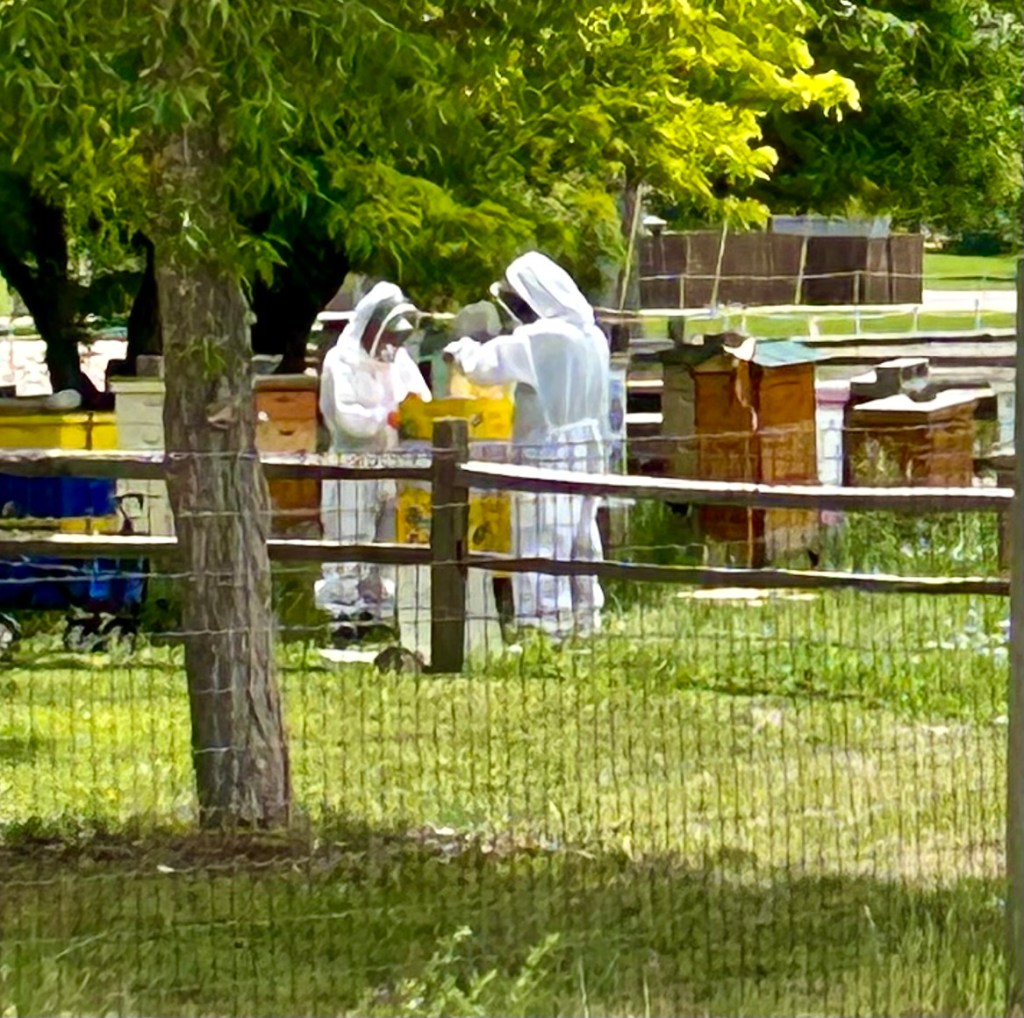
I saw beekeepers at the Hudson Gardens. 

I saw the 154-foot SpaceX rocket booster that arrived at its new home outside of the DISH Network Corporate Offices in Littleton last year. It was impressive! I’ve never found a tax deduction that large. Neither have I ever earned even a fraction of what the Dish chairman has lost. This is a guy who started by selling satellite dishes out of his car in the 1980s before his net worth literally skyrocketed to well over $20 billion a few years ago, according to Forbes. Sadly, he free fell back to earth with a mere $1.4 billion this year. But then, the economy of late has made most of us losers.

Not far from DISH are the benches where men hang out and sometimes build fires, or camp. They may be some of the 600 or so folks DISH has laid off in the last couple of years. I hope not, but as the latest innovation even at DISH illustrates, namely that of the no-dish satellite. No one wants a dish, or a cable anymore I suppose. We want our entertainment coming to our screens from nearly invisible sources, just like it did in the good old days of radio and antennae television. 

I pedaled under a couple more bridges and I was back along the creek. I pedaled past the dog park where a man frequently brings his Mexican wolf. To the dog park. He is the alpha male, obviously—the wolf, not the man.

Toward the end of my ride, I climbed up the hill to the place where a green miniature train follows a track around Belleview Park. Families lay out blankets and picnic along the wide, grassy banks of the creek there while their children wade into the water and squeal. None of them seem to have any idea that only a few months ago the former mini-train conductor was indicted for some sort of cottage-industry mortuary that turned foul; READ: corpses rotting in his hearse and cremations backlogged. (Fiction is less interesting than real life these days.)

I zoomed through the last tunnel. It’s off-and-on strewn with graffiti and then painted over in patches. I rattled across the final wood-planked bridge, and I was back within view of our condo. A birthday party for a three-year-old was just finishing. I braked for kids carrying balloons and packages to the parking lot then panted my way up the last hill to check my mail. I spotted the pickup truck where a woman sometimes lives.

I saw all those things. And I thought I would go on seeing them all summer on those trails. But today I walked by the bike rack on my way to the mail again, and our bikes were gone. The lock cable had been snipped like a string.

###
Spoiled in Colorado

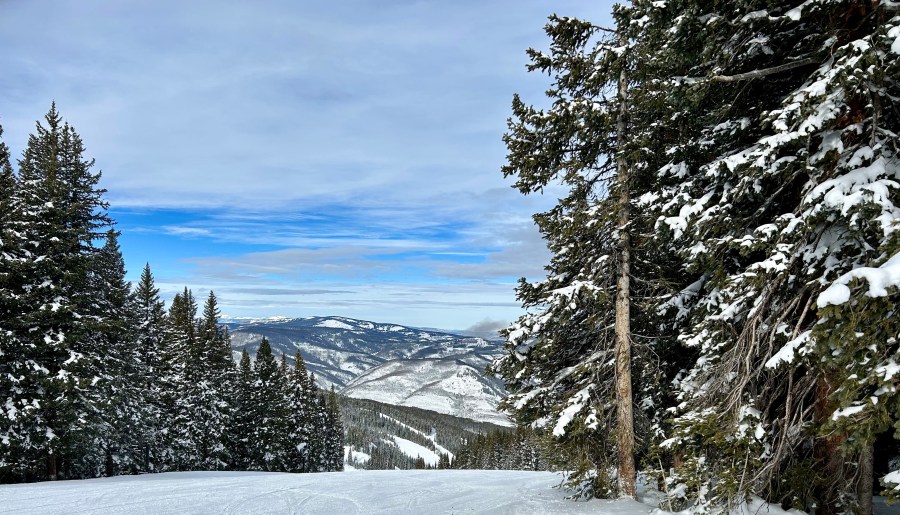
Last week we rode up the chairlift at Vail with a couple who said they were from Tahiti. Tahiti! That’s almost 5,000 miles across a tropical ocean from the Rocky Mountains of Colorado. It was certainly the farthest flung origin I’d ever heard about, even at Vail, an international enclave. We’ve met people there from Mexico, Germany, Portugal, and elsewhere. Though Tahiti was a new one. I forget sometimes what a huge draw winters in Colorado are for people who live elsewhere. We get dumps of snow off and on, but we also get regular days of sun that quickly melt it all away. In fact, today, late February, I’m sitting outside in the sun writing this. It’s in the 60s and with the sun it feels warm enough for just a T-shirt and jeans.

We have ski passes again this year. If we buy them early enough and ski often enough the price works out to be about a third less than a lift ticket. And the more we ski the cheaper it is. Though Vail does charge about $30 this year just to park the car. So, there’s that. As prices have risen and ski resorts have been apparently catering more and more to out-of-state skiers who come for days or weeks, we have been forced to get a little more creative in how we ski, just to be able to afford it. We have a few cheat codes.

First, we ski mid-week when we can. It’s not cheaper, but it’s more fun. A Tuesday or Wednesday is far less crowded, which means a smoother and faster drive up the mountain, less time in lift lines, and fewer out of control skiers and boarders running into me.

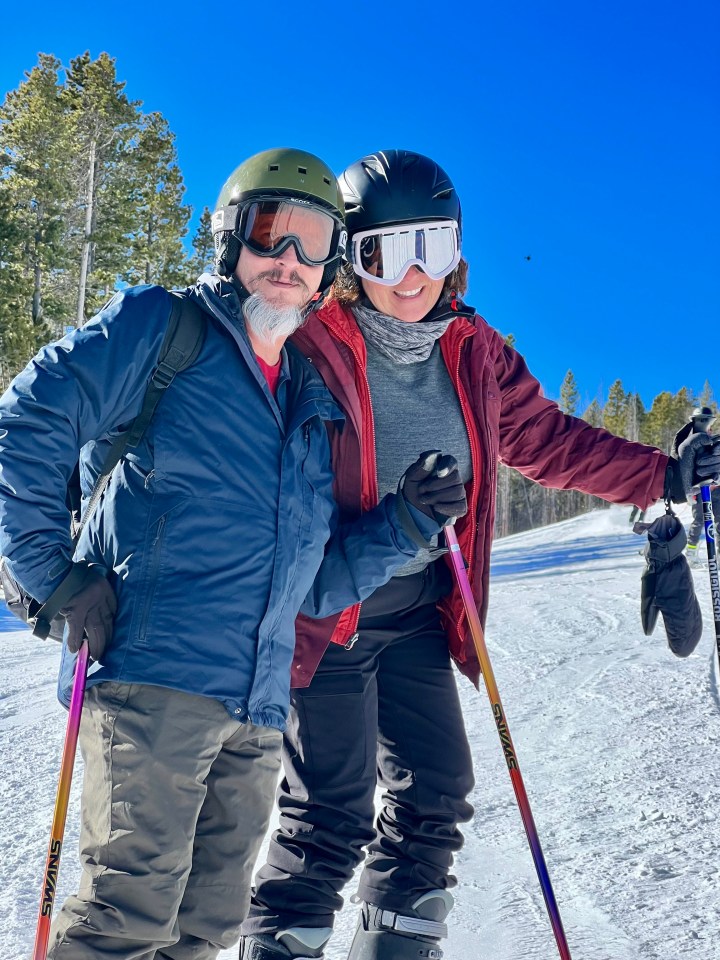
Keeping your skis together is not just a skiing skill, it’s a happy marriage secret.

Second, at Breckenridge we park at the free lot and take a bus to the lift. Whenever and wherever we go we usually pack our lunch and avoid the movie-theater-concessions pricing for food at the resorts. Just when I think I feel too much like a skin flint, I see other people eating food they brought as well. 

It isn’t just skiing; we travel cheap in general. Last September, we found ourselves housesitting again on the Gulf Coast of Florida and a woman taking tourist surveys approached us near the beach at Sarasota and wanted to know how we had spent only a few hundred dollars for a two-week beach trip. Pretty sure we skewed her survey results. Along with housesitting, we “freecationed” by cashing in some credit card miles to stay a couple nights at a fancy hotel and do a kayaking tour to see manatees in the bay. (Though that wouldn’t be financially savvy if you didn’t pay your card off, obviously.) We also ride local buses in lieu of more expensive ride shares. We walk and bicycle. We do libraries and parks, walk along the beach and window shop. And we get food from the grocery store and reserve eating out for a few well-timed occasions. A perk of living in a place like Colorado where everything from food, to stays, to skiing, is expensive, is that when we go most other places, we get a little bit of a price break.

Also, just being able to go find adventures makes us both happy enough that we don’t need luxury level. And each foot we gain in altitude driving up into the mountains to ski pulls the stress and worry from our faces. The vertical feet we drop zooming down the runs helps us find our happy places, too. Maybe a piece of it is something of the discipline of simplicity. If I remind myself of that, I can be even happier thinking about freely enjoying the great riches of a place like the mountains. And how spoiled we are to know their Creator–the same one who also made Tahiti!

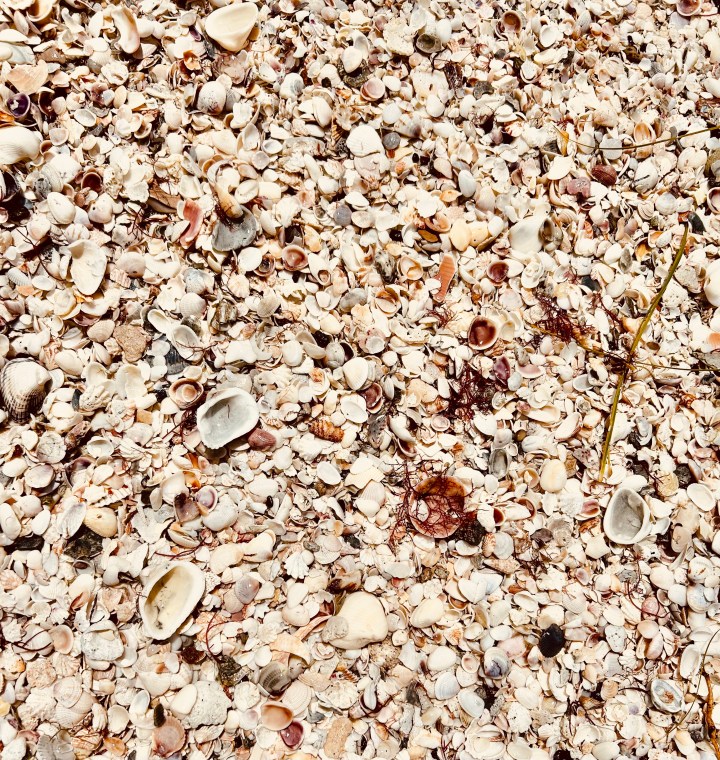
Venice, Florida, offers free souvenirs, and plenty to go around after hurricane season.

And once we’re tired, maybe a little sore, and ready to change the heft of ski boots for bare feet, we sometimes head to the nearest hot springs. We’ve been to more than half a dozen around the state over the years. I wish we could go more often but spoiling ourselves with a relaxing soak has gotten expensive. The only way to save money is to bring your own bathing suit, towel, and water to drink. The steamy view of the snowy hills and red rocks, the sound of the river gurgling by, maybe eagles soaring overhead or a meandering bighorn sheep—all no extra charge.

###
Riding Around Colorado

Ron and I have been walking everywhere lately. We’re trying to stay healthy and fit for our upcoming excursions in other places, and to get in better cardiovascular condition for ski season. We walk to the grocery, the dentist, the library. We walked our ballots over to the voting box this week for the election. It takes time to walk, and planning. But it resets the soul somehow, puffing out stress and breathing in the simple rhythm of walking upright.

But when I found a bike on Facebook marketplace for 40 bucks, I was ready to add to our exercise options. It was clear out in the suburb of Aurora, but for $40, we figured we could afford a road trip. We took the toll road that rings Denver all the way around to a place so far east it may have been Kansas. That added a few dollars to the bargain. The tolls in Denver are astoundingly pricey. (The toll from our house to where the bike was equaled $9.85!) 

Ron and I often walk up to Waneka Lake in Lafayette.

Ron still had his bike from 30-plus years ago. He dusted it off, greased it up and put the chain back on about 20 times during the first ride we took. No matter, our old bikes are seaworthy enough, not unlike the rather rustier ones we rode up and down the Gulf Coast in Florida this summer. (Grateful for those as I recall pedaling our way up Casey Key and wondering which mansion along the pristine beachfront was Stephen King’s writing alcove.)

It was in Florida where we re-ignited our interest in bicycling. It was primarily out of necessity since we didn’t have a car. But we enjoyed it so much. And now that we’re stoked on spokes again, this fall we have found Colorado to be, well, slightly hillier than Florida. In Colorado, even paths and roadways that appear flat from a distance have found us huffing and puffing in easy gears. 

“It is by riding a bicycle that you learn the contours of a country best, since you heave to sweat up the hills and can coast down them.”

Ernest Hemingway

Though they are daunting, all the hillocks also promise fantastic vistas. Pedaling up the Rock Creek and Coal Creek trails around Lafayette has shown us giant cottonwoods turning yellow, deep blue Flatirons slanting upward, and Long’s Peak rising snowcapped in the distance.

I’m also excited to be perched high on my bicycle seat when we ride through some parts of the trails around here that lead through settlements of prairie dogs—little beasts I find unnerving at best. I have rodent phobia (musophobia), so the few moments when we are coasting through prairie dog towns are tense. And Ron knows that sometimes something as innocuous as a breeze, much less a rodent, can topple me from a bicycle. So, when we cruise through rodentville, he looks back at me frequently, knowing how much I hate it. 

Along the Coal Creek Trail near Lafayette, Colorado.

But the dogs just sit and rudely stare, silently threatening to pop up or down like weasels, or tarts. Their shadowy holes lie waiting to startle me like a jack-in-the-box or a whack-a-mole. But phobia or no phobia, we’ve had no incidents so far with these rodents. However, we have had a few minor maintenance problems as we get back in the groove of cycling.

Ron’s front tire deflated about a mile into one section of trail one afternoon. He had run over a couple of goat’s head weeds, also aptly named puncturevine, and well, his inner tube was tapped. I rode back the way we had come, and he walked his bike up to a trailhead where I eventually met him with the pickup truck. We drove off to Wal-mart for bike repair supplies, and Ron talked about how he had been impressed with the number of friendly offers of help he got while walking his flat- tired bike. He took it as a hopeful sign of humanity still left in our race. I hope he’s right.

###
Rugged Like the Colorado Rockies

My in-laws live at 10,000 feet. By comparison, the highest peaks in Colorado are 14,000 feet. People feel sleepy in their cozy mountain house, because of the high altitude. Water boils 18 degrees cooler on their stove, and it is the best water I’ve ever tasted. Also, It’s also usually 20 degrees cooler up there in Como, Colorado than down here on the front range. 

In summertime this feels like a lovely reprieve from the 95-degree heat of the plains to the 75 degrees in the shade of the aspens and conifers that dot the hills up there. And looking out across the expanse of South Park is breathtaking. But then, the wind kicks up, which it does most days, and blows until most people head indoors and the cattle plant their hooves firmly at a slant, the way the grass grows. In the winter the wind and cold are enough to drive most people to warmer climes. I think my in-laws are among only a handful of folks who call Como home year-round.

They’ve had snow on the 4th of July up there. We’ve been nearly frostbitten and hypothermic sledding with my mother-in-law in the winter. The highway through the valley is closed many days when the road becomes indistinguishable from the ditch and the fields that lay beyond barbed wire fence lines that are buried in snowdrifts. We once drove home in a ground blizzard that obscured our passage except for the three feet just in front of the headlights that lit up the raging snowstorm like a swarm of moths at a porchlight. 

But in high summer and a few days in the early fall Como is idyllic. This fall we went up to help cut wood with the in-laws. We headed across a cow pasture to a stand of aspen that had died. Most had already fallen, and my father-in-law worked the chainsaw deftly on them until the bed of the old pickup truck was full.

We drove back and my father-in-law stepped to work at the gas-powered log splitter, and we made the mountain of firewood on the other side of his driveway a ½ ton higher. Tossing logs was good cardiovascular work in the altitude. I drank through my water bottle a couple of times. I kept taking off my jacket and putting it back on depending on whether the sun was behind a cloud or not. 

And although for much of the year Como is a less-than-attractive place to hang your hat, since it will actually blow away, my in-laws have been there long enough now that I know they’re just the type to stick places, no matter what. And while that has made them a bit more anxious than most about weather, it’s also instructive about who they are and about who my husband is. 

Ron Sr. and Ron Jr. working on firewood for the long, cold Como winter.

For one thing: he’s steadfast and constant—like the Como wind and his parents. He’s also a hard worker, since most things—firewood for example, but also vegetable gardens, satellite antennas, water, etc., require harder work to exist up there than in other easier places. And, perhaps due to all the hard work in a difficult place, his idea of adversity is a few clicks more intense than most people. 

He’s a mountain man, quiet like the long afternoons on a deserted hill with only the breeze in the pines and the chittering of birds to hear. He’s calm like the sun coming up over the peaks. And he has a depth like the clouds gathering in the west over the Rockies.

I used to spend my summers in Como when I was a kid, going to the camp there. I remember sitting on the wooden veranda of the mess hall, resting my legs on the log railing, and soaking in the sun. I remember the cool of the shade through the trees to the cabins, and hikes high up little Mt. Baldy. I was in the slow group, pretending to stop for pictures quite often. In contrast with my husband, my experience of Como says a lot about me. I get bored with the same place all the time. I spent my summers goofing off, so I got pretty good at that. And most adversity to me is a fun adventure, like lighting candles if the power goes out for 15 minutes, not something to overcome for fear of literally freezing to death. So, although we have some shared memories of Como, most of our times there were as different as we are from one another. 

The aspens glowing gold and orange this fall in the Colorado Rockies near Como.

My husband went back up to Como several days in September while I was in Minnesota, and in October to wander the beautiful mountainsides in search of deer and elk. His photos show a picturesque but rugged bit of country where already the temperatures are turning to freezing. The first snow has long since landed, with plenty more to come if you adhere to the common saying about mountain weather:

“Nine months of winter, three months of fall, a breath of spring and no summer at all.” 

Still, my husband will likely want to be there. As John Muir said, he’s not so much in the mountains as the mountains are in him. 

Smart Dogs and Western Colorado

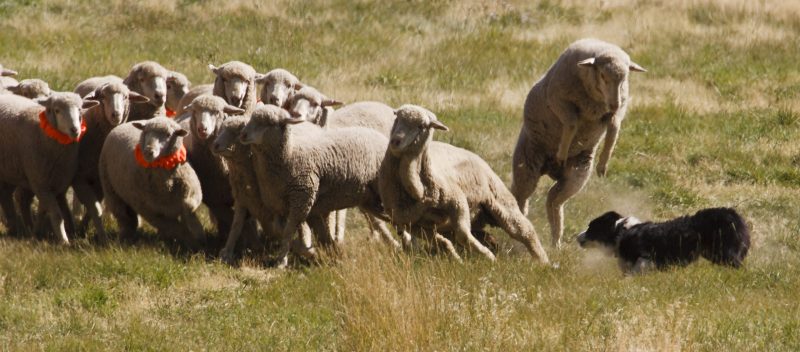
Sometimes I didn’t even hear the command, or the whistle that sent another Border Collie at a full sprint across the green pasture of The Meeker Classic Sheepdog Trials. But the dogs were easy to spot, their shiny black-and-white fur rippling with their speed.

A small flock of sheep waited at the far end of the field, nibbling grass on a warm mid-September day. The dog’s body got smaller as he trotted his way between boulders and tall dry grasses at the edge of the irrigated hay. A flat-top hill in the background was dotted with obstinate pinion and cedar trees that are so characteristic of the landscape in this part of rural western Colorado.

Almost a minute later the dog emerged at the far end of the field. He lay down behind the small herd of sheep and listened for the whistling commands from his handler. Then he was up and working again, fetching the sheep in a steady and controlled pace back through two fence panels and around the far side of the handler. He herded them in a cross-drive, through two more sets of panels and into a shedding ring where the grass had been cut shorter and bounded by piles of sawdust. The dog’s pink tongue hung long at this point in the contest. The sheep were stubborn. But the shrill whistles continued long, short, and combinations that told the dog what to do. Multiple audible commands also issued from the handler telling the dog to “come by,” “lie down,” or “away.” The dogs must work with the handlers to separate some of the sheep away from the rest, and then pen them. Finally, after 15 or 30 minutes that seemed like hours of intensity, the contest ended with failure, no more time, or success. The dogs raced to jump into a tub of cool water.

A sheepdog hard at work in Meeker. Photo by © PiperAnne Worcester (Not permitted for any other use.) Check out her photography site: https://www.piperspix.com

We lived in Meeker, Colorado about 30 years ago from late spring to late summer while Ron was fighting forest fires for the Bureau of Land Management there. We met a sheep rancher’s son back then, whose family was well-known in the area for all things sheep. We remember his kindness, lending us some furniture for our sparse apartment in town and his warm welcome inviting us to the sheepdog trials, but we never made it. Fire season was always winding down by September, and I had taken a teaching job in New Mexico that year, so we were well on our way out of the state by the time the sheep were being loaded in the trailers to be herded around by the best-trained dogs from all over the world.

So, this year, we decided to make the trials. 

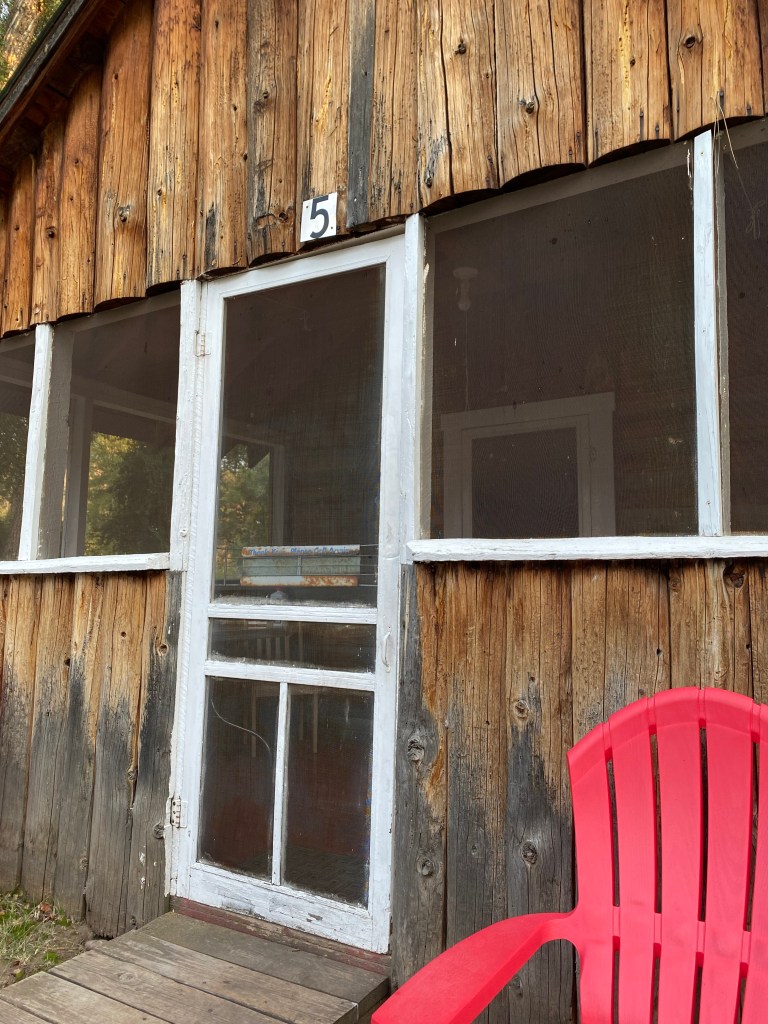
Our home for the sheepdog trials.

We stayed in Buford in a little one-room cabin with no running water. We grilled our dinners over charcoal and listened to the gurgle of the White River behind us. Then each morning at dawn we rousted out of our sleeping bags and headed 20 miles to the outskirts of town where the 2021 Meeker Classic Sheepdog Championship Trials began at 7 a.m. and ended around 4 p.m. We didn’t arrive on the scene until halfway through the second day of runs. We were given running orders with names of handlers and dogs, and we bought a program that explained the course. On one of the first few pages was a current picture of the sheep rancher’s son we had met decades ago. Our memories were faded, but it was him. We remembered his name. He’s a big sheepdog at the trials now.

I began writing down scores and we caught on to the rules and easily became fascinated to see what these incredibly intelligent and well-trained dogs could do.

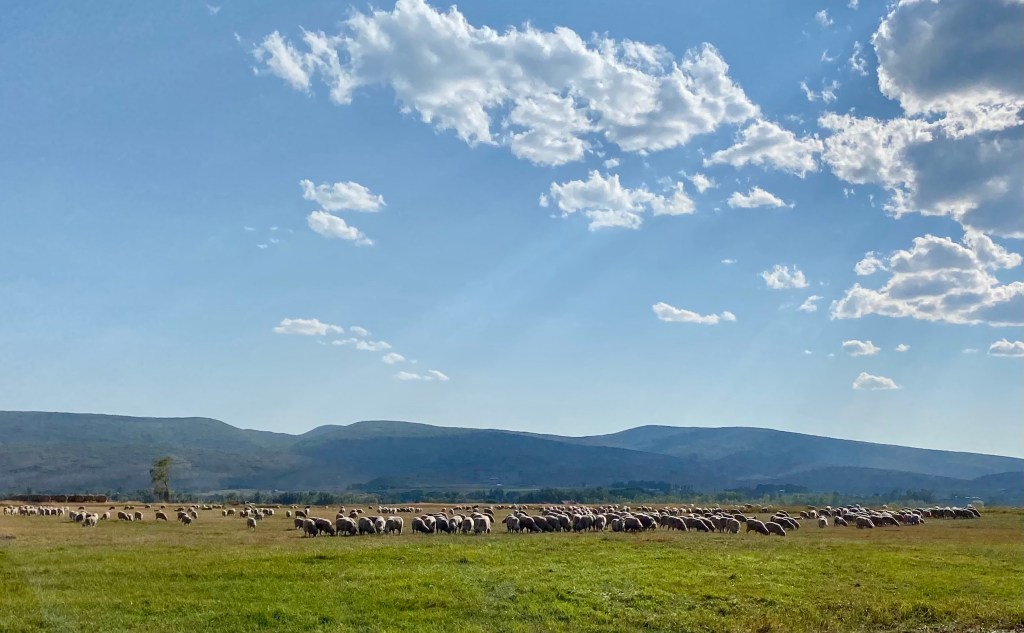
Meeker, Colorado is a beautiful place on the Western side of the state with plenty of room for sheep to roam and graze.

By the weekend, more people also showed up to watch. Some people said they had seen something about sheepdog trials on television. It happens in places in the British Isles too. 

We ate lamb kabobs, lamb ribs, and sheep cheese. Everyone was so friendly, and we enjoyed the wide-open vistas and the weather. On the last day the air even cleared of all the California wildfire smoke that had plagued us in Colorado for the previous month.

This handler makes penning a group of sheep look easy.

The first few days a lot of no-scores came in. That showed us how difficult the course was—how stubborn were the merino sheep pastured in the high mountains all summer. But as the preliminaries turned into semi-finals, and the semi-finals turned into final rounds, the level of training and handling ratcheted up to an unbelievably impressive level. One whistle could stop a dog in its tracks. One word could turn his head to the left or right.

The human sheepherders below illustrate just how well sheepdogs work to move sheep. Sheepdogs run around and look sheep in the eye to get them moving. These humans are using noise, flags, and shoves to get the sheep into the trailer.

Near the very end of the trials a sudden rainstorm sent a downpour onto the field and emptied the bleachers during the second to last handler’s run. She and her dog finished their contest, the rain quit, and the final contestant ran. Then, a Canadian handler called Scott Glen, who had won the event in 2019 (2020 was cancelled.) was named champion again for 2021, this time with a different dog called Alice. The man and his dog went home with another championship accolade and a few thousand dollars in cash. 

Also, Ron and I made the news:

210912-MEEKER-SHEEPDOG-TRIALS
That’s us sitting in the red chairs! Photo by © Hart Van Denburg/CPR News See the whole story here: https://www.cpr.org/2021/09/20/go-dog-go-sights-and-sounds-from-the-meeker-classic-sheepdog-championship-trials/
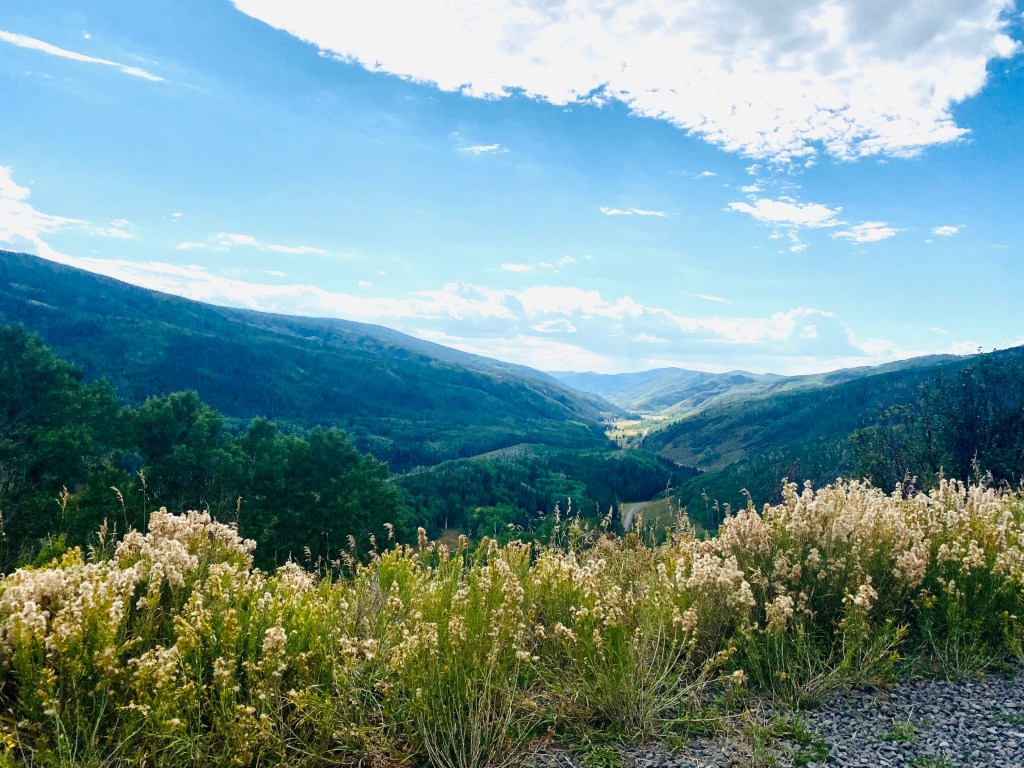
These are the high mountains of the Medicine Bow-Routt National Forest near Meeker where sheep graze in meadows and dogs round them up regularly.

We went home through the Medicine Bow-Routt National Forest. We passed sheep wagons and shepherds watching wooly sheep grazing between sagebrush. We passed hunting camps set up high on mountain passes where scars from old forest fires competed with magnificent views of the Flat Tops and where the setting sun was herding the edges of the sky toward the pen behind the hills for the night.

Work and Apple Pie

Views from Como, Colorado make the world seem even bigger.

When we got home from Nashville, we jumped nearly straight out of vacation gear and into manual labor mode. This had been the plan, but the work we ended up having in front of us was a bit more than we had bargained for. Before we left for Florida, we had been living in the apartment in the basement of our house for a year, but we decided that when we came back, we would move upstairs again into the main house. We can make more money renting the big house, but we wanted room for our own house guests, friends, and family, and we enjoy having the big kitchen up there so we can have people for meals. Also, Ron really missed being able to sit outside on the back patio and look at the garden. (Me, too.)

The apartment downstairs was the job in front of us. We planned to turn it into our next AirBnB project. The extra work came because over the summer, a torrential rain had flooded the entryway of the basement apartment, the laundry room, and the front of the living room where floor to ceiling bookshelves line the wall. My middle daughter was living down there at the time, and she did her best with towels, fans, and a carpet shampooer, but the water got soaked up into the bottom shelves of the bookshelf and warped all the wood and sopped the drywall. So, Ron had to cut the bottom stuff out and replace it. And, we didn’t really have a chance to get started on this until a few days after we were back in the state. The guests renting the house asked to stay longer, and then, Ron’s older sister got married again and wanted him to perform the ceremony. We headed up to the mountains for a beautiful backyard wedding in Como with family we don’t see very often. So, that was a sweet time.

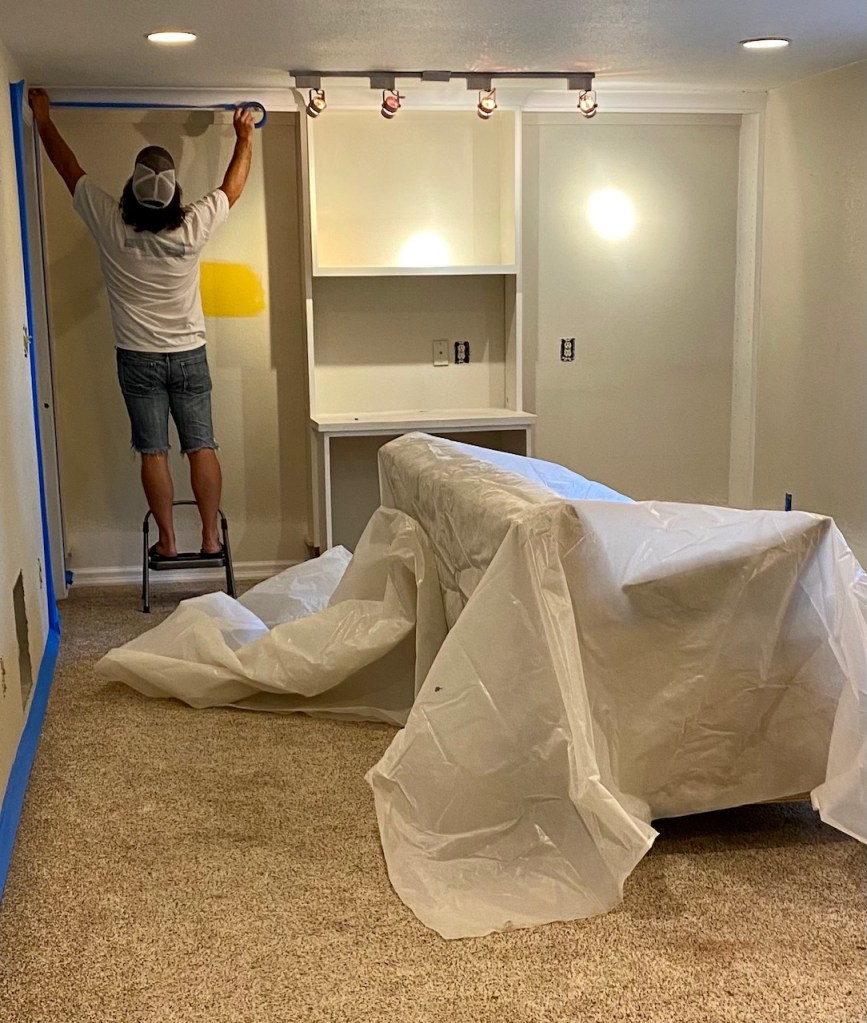
Ron and I painted the downstairs apartment.

The next day, we finally got to work moving things upstairs, cleaning the apartment, and demolishing shelves and drywall. Then, Ron installed new shelves, drywalled and replaced trim, taped, mudded and textured. I was busy rearranging all the things we moved upstairs and all the rest that we kept downstairs, then organizing, shampooing carpets, painting, laundering, more cleaning, and then stocking this new AirBnB with blankets, dishes, towels, and everything else guests might think they need. I felt so grateful that I was able to shop at my own house (having been an AirBnB for a year) for most everything we needed in terms of furnishings. 

All this work meant we had to take a few loads of construction scrap to the dump. But we also had to take several loads of yard waste. This was part of the extra work as well. The summer lawnmowing company was supposed to weed the yard, but they did not. So, waiting for drywall mud and paint to dry, Ron set in to uncover the front landscaping from bindweed. He hacked down giant stalks of sunflowers that had faded. And he filled the truck several times with volunteer saplings from all over the yard. Our house is on a double lot, so the landscaping is twice as much work as the housekeeping. When we’re home and can keep up with things it doesn’t feel so overwhelming, but we had returned to something of a jungle.

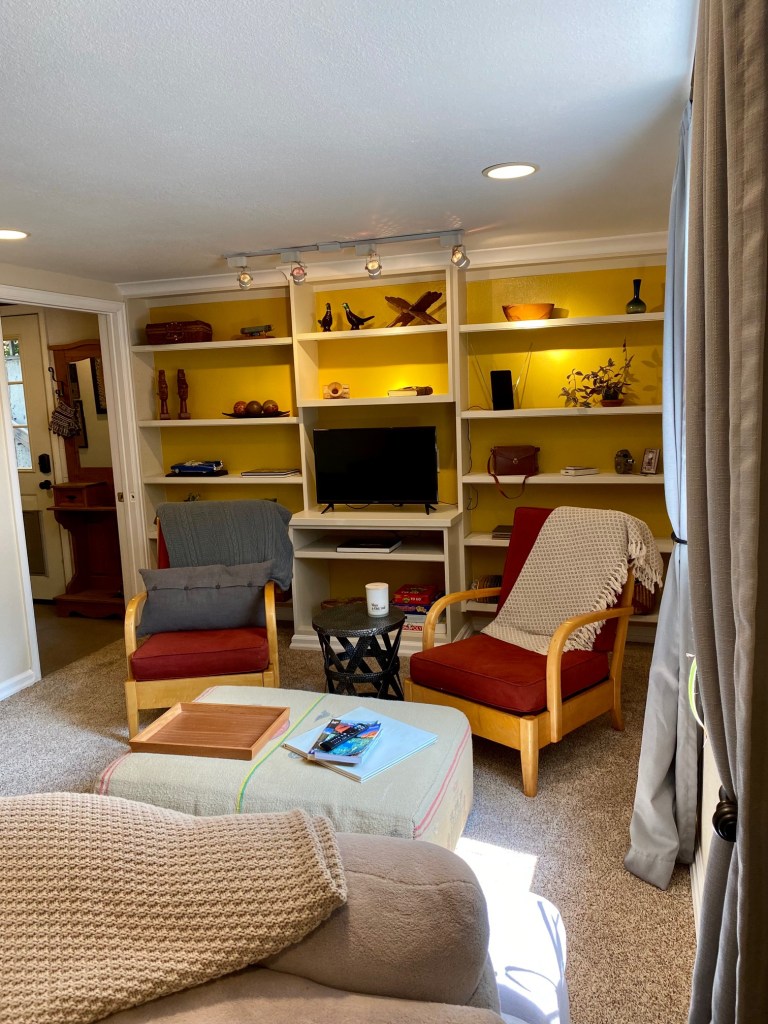
Now the apartment feels clean, warm, and welcoming for AirBnB guests.

Finally, we finished everything, and welcomed new guests to the refreshed space downstairs.

I’m always nervous about the first few guests and what ratings and comments they will leave. But I need not have worried. Everyone who stayed those first few weeks loved the place. So that was a relief. And now we are off and running with two small AirBnB spaces and living back up in the house. We haven’t yet been lingering on the patio in the evenings like we used to because the mosquitoes have been bad—we think because of all the overgrown weeds in the gardens. 

But it is good to sit out there in the mornings and to be able to have space for guests. I like having my writing space back as well, in the office upstairs. Though the last few weeks I’ve found myself sitting in cabins in forests, typing out these blogs and working on some fiction projects. (Stay tuned for adventure stories from these places!)

We will likely finish reclaiming the rest of the back gardens later this month and into October. And the good news about all the early summer rains was that we will have a bumper crop of apples to pick in the next couple weeks. I don’t know what variety they are, but they have a nice blend of tartness and sweet and make great pies. 

After picking, I peel them with my mechanical crank peeler. I slice them with a slicer, then sprinkle them with cinnamon and sugar and freeze them in plastic baggies that hold just the right amount for a pie. We’ll have enough for pies all fall and winter. Yum!

Heat and Hurricanes

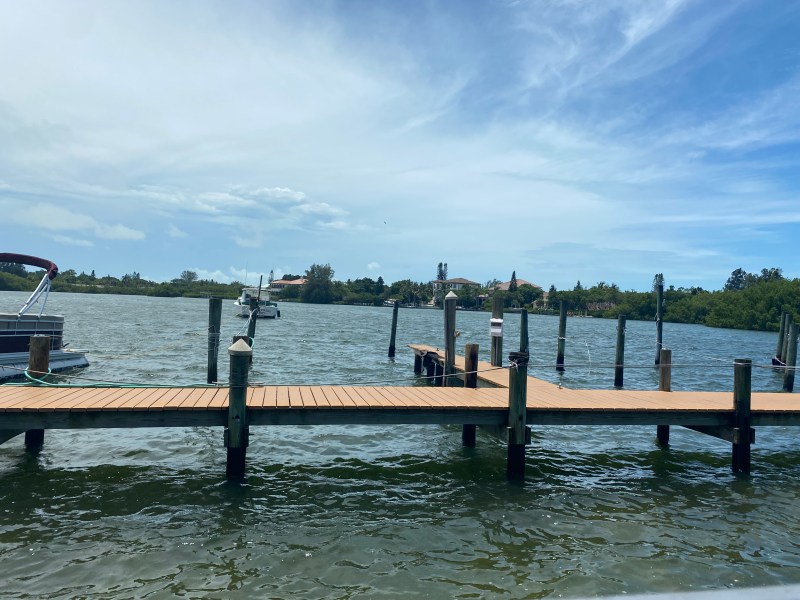
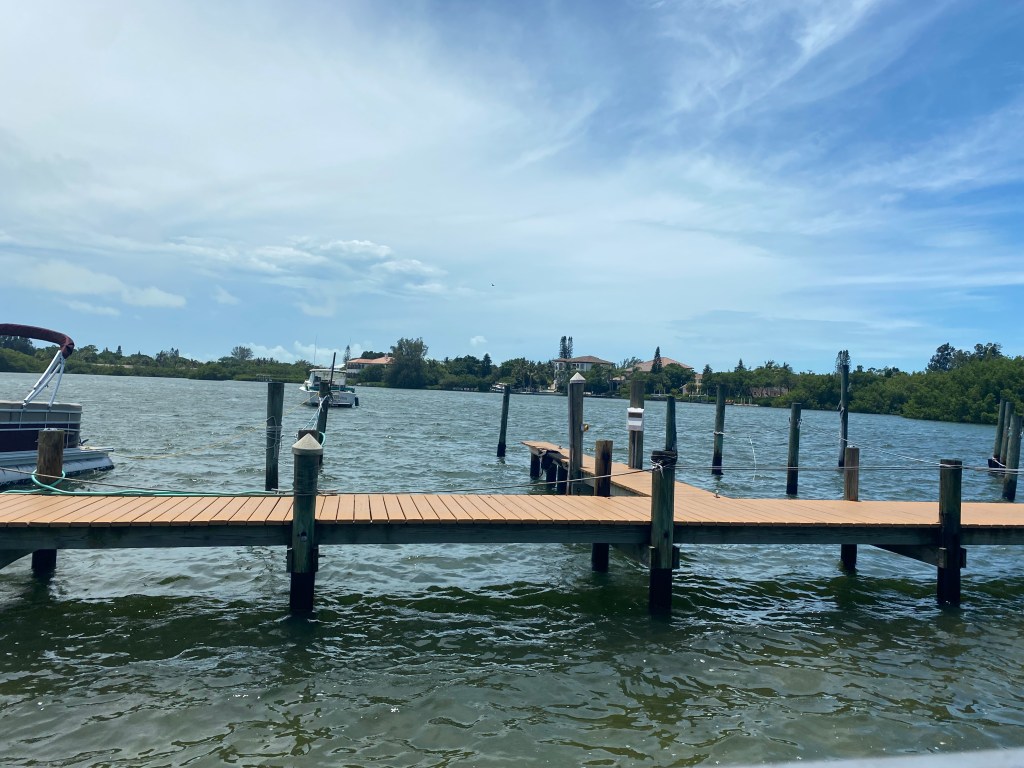
The view from our lunch table on Little Sarasota Bay beside Casey Key.

Like a rusting bicycle chain or a damp dollar bill, the Florida weather has begun to alter parts of me that I thought were well fixed. We made it through Hurricane Elsa, which downgraded to a tropical storm for our area. Seeing that through made us feel like actual Floridians who know what to do with weather forecasts—wait and see.

And now that we’ve been here a month, and we are wearing suntanned skin and a permanent glisten from sweat, I’ve noticed that my previously Colorado-winterized body (and mindset) has totally adapted to tropical heat. 

First of all, coffee. I like strong, hot coffee with milk. I’ve been drinking coffee that way every morning since I was in college. So, the fact that I am now drinking iced coffee with both milk and sugar is a testament to the radical, albeit subtle shift, Florida has made on my constitution. 

I no longer have any fear that I will ever be cold under any circumstance any day or night. It takes exactly 30 seconds of being outdoors before I begin to seep. Socks and shoes seem as torturous as church clothes for Huck Finn, and have become obsolete, at least for me. I can’t even recall the concept of pants. Even shorts made of heavier material than linen or cotton are questionable. Most often I slip on a loose, sleeveless dress, a broad-brimmed sun hat, and hope for shade, water, and breezes.

Yesterday, we went for a 15-mile bike ride north to a place called Casey Key. We had hats for shade, and a fairly consistent cool sea wind left over from the storm. We stopped for lunch on the water of Little Sarasota Bay. I ordered iced tea—another beverage I seldom drink. I sucked the first one down like a Bedouin at a desert oasis, but let the second glass sit too long as I ate and by the time I went for a second sip all the ice had melted. Timing was important, as the little plastic cups the restaurant had were not insulators. Around the house we’ve discovered the wonders and obvious necessity of double-walled plastic tumblers that keep our iced drinks cold for hours. Drinks contained in anything else are soon tepid and a drippy mess of condensation. And I own none of these miraculous containers in Colorado.

When we got back from our long ride, I took a nice cool shower. Who is this creature I’ve become? Normally, I take hot showers—scalding if I can get them. Living here now, I have never even bothered to figure out how to make the water hot. 

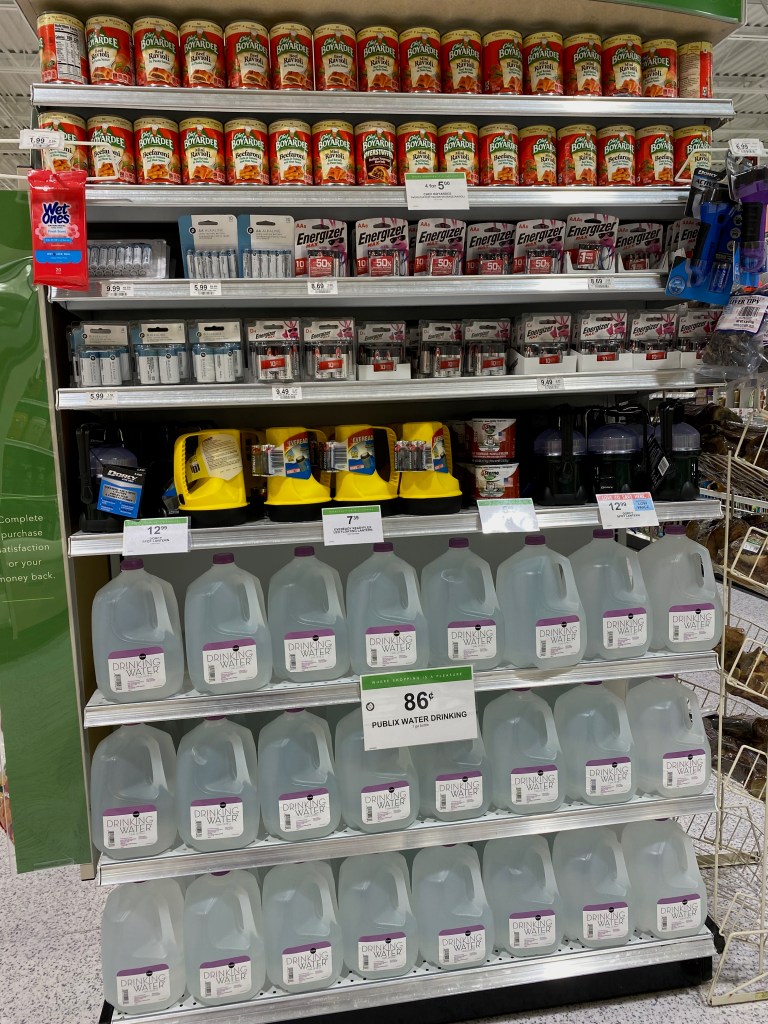
Hurricane prep at the grocery store.

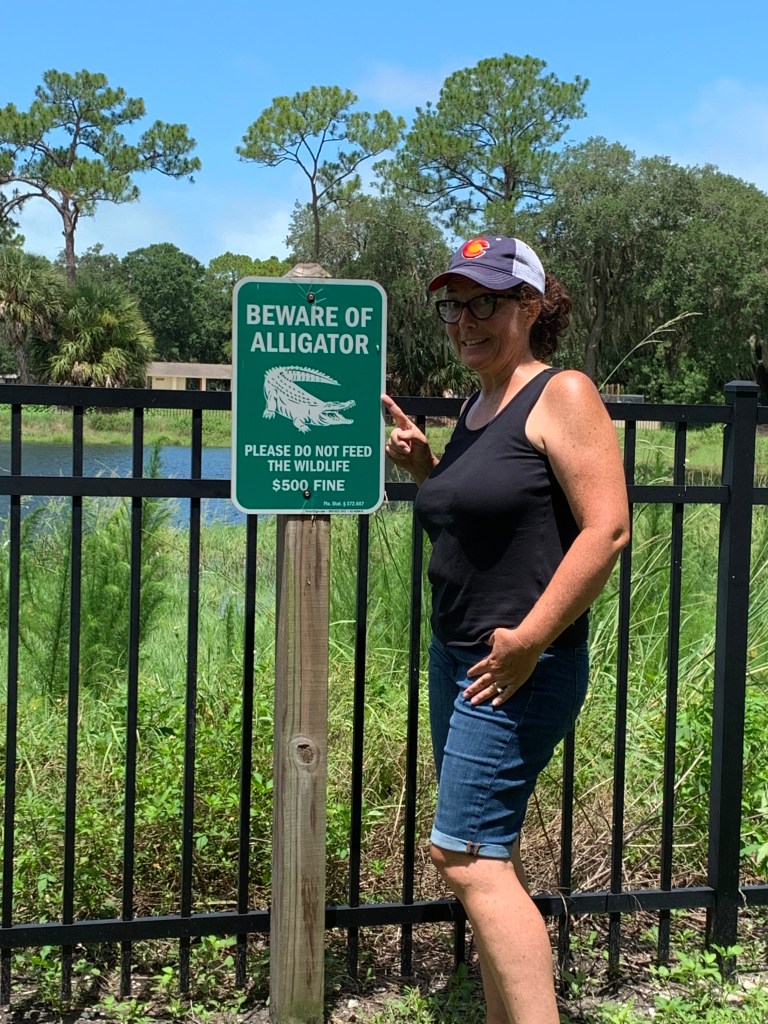
Refreshed and relaxed then I filled a blender with ice and made a frozen concoction that helped me hang on. We are literally living out a Jimmy Buffet lyric. I braved a brain freeze and reveled in amazement at air conditioning and fans. We have never even had air conditioning in our current house in Colorado. There are a few days in late July and August where we regret that. But for the most part the cool nights, open windows, and attic and swamp fans keep us from sweating through our clothes. Here we expect to sweat through our clothes regularly, if we venture outside, which we must. We want to take note of everything here that we don’t have in Colorado: anoles skittering along the bike path, sea birds, jacaranda trees, and the ever-elusive alligator. Still hunting for that. 

Looking Forward to the Other Sunshine State

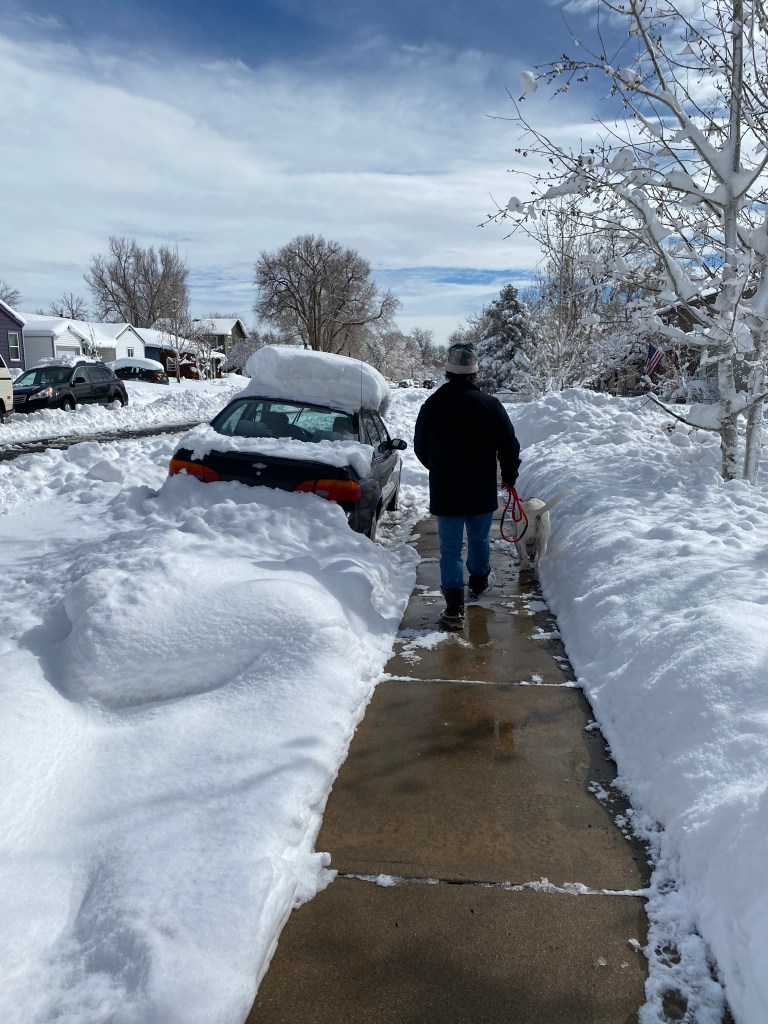
The record-breaking storm that ripped through Colorado this March was impressive, even to us natives. (We’re the people walking around in it btw.)

Ron and I have both lived in Colorado long enough to have seen approximately 2,614 inches of snow. This winter alone we’ve had thousands of pounds of snowfall just on our yard. We know about snow. Ron grew up in Antarctica, (Como, Colorado) and together, even in more habitable places we’ve shoveled, trudged, skied, piled, snow-shoed, and snow-manned in more snow than you could ever imagine if you’re from someplace like southern California, or Hyderabad. One year when we lived in Telluride, we even bowled in the stuff with a bowling ball specially studded and pins made of firewood. More snow there than anywhere I’ve ever seen. 

The record-breaking storm that ripped through Colorado this March was impressive, even to us natives. Also, snow in March and April is a cruelty for those weary of winter and longing for spring. Still, I’m telling myself to fix the images of mounds of snow at every door and window in my mind since I may be surrounded by sultry heat instead at some point in our traveling future. Something about not knowing what you got ‘til it’s gone. 

Thanks to all the friends and family who so hospitably and kindly offered up visits at their own places after my post last time. I truly appreciate it. We feel loved. And we will likely take some of you up on those offers over the coming months and years. So, thank you. For now, we’re counting down the days until Ron retires and figuring out creative ways to head out on the cheap. 

Two Cheap Travel Ideas:

  1. Home Exchange – We have undertaken to exchange our house through the Home Exchange website/app and are earning points that we trade for days elsewhere. Finding exchanges that work for both parties is a little tricky, particularly after all the shutdowns. Even thinking about months in the future is difficult for planning. Still, I persist, and hope, and think maybe these swaps will work out in a few months. I’m yearning for sultry days by a pool, or hot sand, since for the last several weeks I’ve just been watching icicles drip from the top of the planter box. Somewhere under all that snow small daffodils had sprouted and may yet brave the cruel Colorado spring to bud and blossom. We’ll see. 
  2. Housesitting has become a real option for cheap travel accommodations as well. We will venture into that as soon as we can in Florida. And that state holds nothing but good memories for us, even though the last time we were there was during Florida’s own version of a blizzard—a hurricane.

It was the fall of 2019 and we were scheduled to be in Ft. Lauderdale at the same time as Hurricane Dorian, so we shifted our own path, continued monitoring all the models, alternated between terror and joy, and headed instead to Key West. 

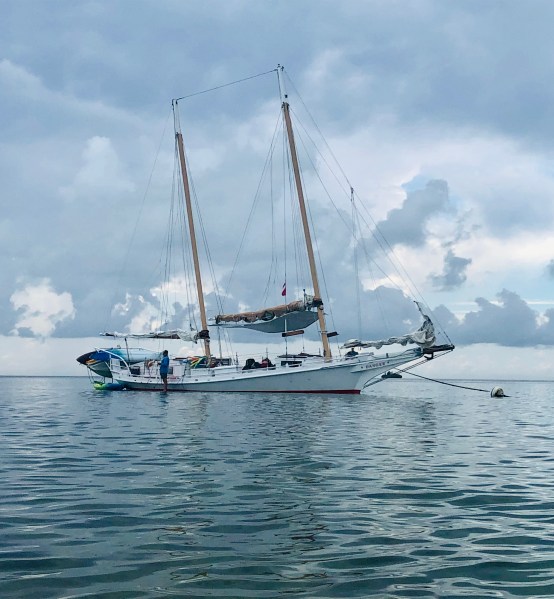
It was a dream spot for me to see where Ernest Hemingway had lived and written, fished, and drank. We saw “Papa’s” house there (well-worth the tour if you like Hemingway, old houses, or six-toed cats), a lighthouse, the Southern Most Point of the Continental U.S., Mallory Square sunsets and more. We ate fried conch at Jimmy Buffet’s Margaritaville chain. And even though that’s not our usual sort of place, and the service was apathetic in the off-season, we enjoyed it because we were with good friends who also like Jimmy Buffet. We reminisced and adventured together in equal parts. We set sail from the harbor one day and floated out into the bay to snorkel and see lobsters and starfish. We kayaked through mangroves. We rode bicycles through town, sweating profusely in the close heat of the place. We toured the Papa’s Pilar rum factory and toasted Hemingway. The air was hot with the kind of heat that is nearly inescapable, yet also magical.

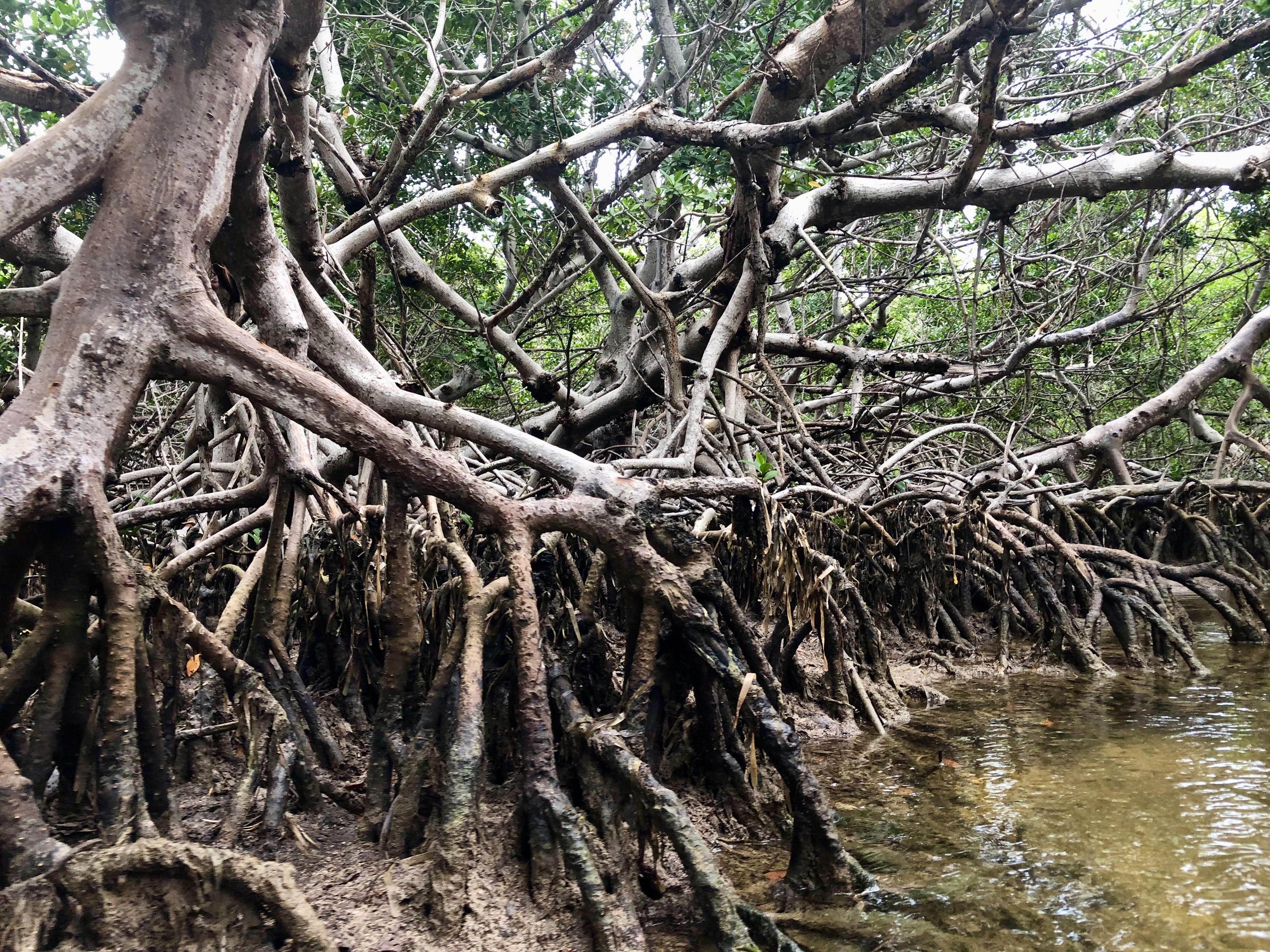
The mangroves spring from the ocean in an impressive and seemingly defiant attempt to reclaim some of the vast salty waters. As we kayaked below them we also noticed that these mangroves also had golf-ball-size spiders crawling all over them.

And heat doesn’t sound too bad just now, in the early spring that promises even more snow for us. Our only traveling now is up into the mountains to ski. And I have turned to books as another escape from the four walls of nothing much happening. 
 
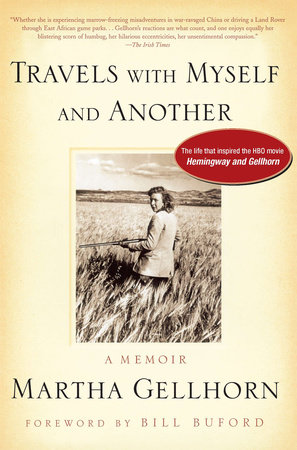
A few weeks ago, I picked up a travel book at Lafayette’s best, and only, new bookstore because it was written by an acquaintance of Hemingway’s, Martha Gellhorn. And Gellhorn, to my unexpected delight had a fantastic voice—in the vein of Eeyore, or my glass-half-empty friend Kelly H. She describes her travels without glowing reviews of sights and adventures. She doesn’t recommend places. She loathes most of the people she meets. And she writes of hardships; the fevers and chills of her trip through war torn China in 1941, the biting flies of East Africa, the hurricane winds and the worse torture of a still ocean in a sailboat where her only comfort was a small kitten vomiting in her lap. She refers to all her travels as “horror journeys”. She describes sparingly the moments of peaceful swims in the Caribbean Sea, or breathtaking vistas of the Rift Valley in Kenya. Yet she insists that she could never be content in one place for long and that the leaving is the happiest moment of all. I couldn’t agree more.

“ … beaten, exhausted, sick of the whole thing. Then the flight is called, we make the interminable trek to the departure gate, we clamber and crush into a bus or if lucky walk straight on to the aircraft. Inside the plane, our faces change, we toss jokes about, laugh, chat to strangers. Our hearts are light and gay because now it’s happening, we’re starting, we’re travelling again.”